The Magic Dies When You Show All Your Cards
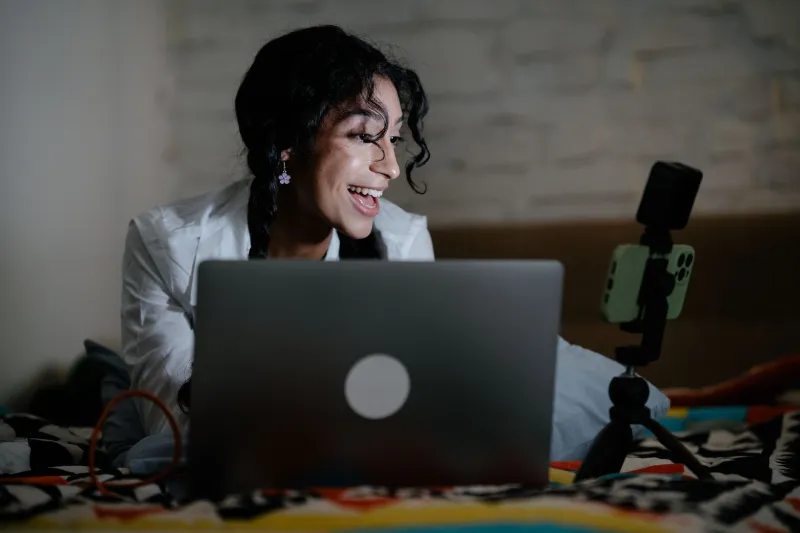
Somewhere along the way, "be authentic" turned into "show everything." And a lot of creators — good ones, talented ones — bought in completely. The morning routine videos. The "how I made this" breakdowns. The raw, unfiltered studio sessions posted at midnight. The thinking was solid: audiences want to feel close to the people they follow. Vulnerability builds loyalty. Transparency is the new currency.
Except nobody told us there was a cost.
Because here's what nobody talks about in the endless discourse about creator authenticity: mystery is a feature, not a bug. And when you strip it out entirely in the name of being "real," you don't just lose the mystique — you lose some of the power behind the work itself.
The Illusion Is Part of the Experience
Think about the last time a piece of art genuinely stopped you cold. A song that hit different. A film that left you sitting in the parking lot for ten minutes after. A book you couldn't shake for weeks. Now imagine the artist had posted a thirty-minute breakdown of every decision they made while creating it — before you ever experienced the work.
Would it have hit the same way?
Probably not. And that's not a knock on the creator. That's just how storytelling works. There's a reason magicians don't explain the trick first. There's a reason directors fight to keep certain details off the press circuit before a film opens. Anticipation, interpretation, and a little bit of unknowing are active ingredients in how an audience receives creative work. When you explain everything upfront, you're not enhancing the experience — you're replacing it.
The behind-the-scenes content boom has been good for a lot of things: relatability, discoverability, building parasocial loyalty. But it's also trained a generation of creators to believe that the process is always as valuable as the product. Sometimes it is. Often, it isn't.
Strategic Vulnerability vs. Performative Transparency
Here's a distinction worth sitting with: there's a real difference between strategic vulnerability and performative transparency, and the two get confused constantly.
Strategic vulnerability means sharing something true, something earned, something that opens a genuine door between you and your audience. It's the story about the creative block that almost made you quit. The honest reflection after a project didn't land the way you hoped. The admission that you're figuring something out in real time. That kind of sharing costs something — and because it costs something, it resonates.
Performative transparency is different. It's the daily process vlog that exists not because you have something meaningful to say about your work, but because the algorithm rewards consistency and the content calendar needs filling. It's the "look how hard I work" footage. The "here's every mistake I made" thread that's less about honesty and more about performing the idea of honesty. It looks like openness. It functions like noise.
Audiences can feel the difference, even when they can't articulate it. One pulls them toward your work. The other just pulls them toward your feed.
Some of the Best Creators Guard Their Process Deliberately
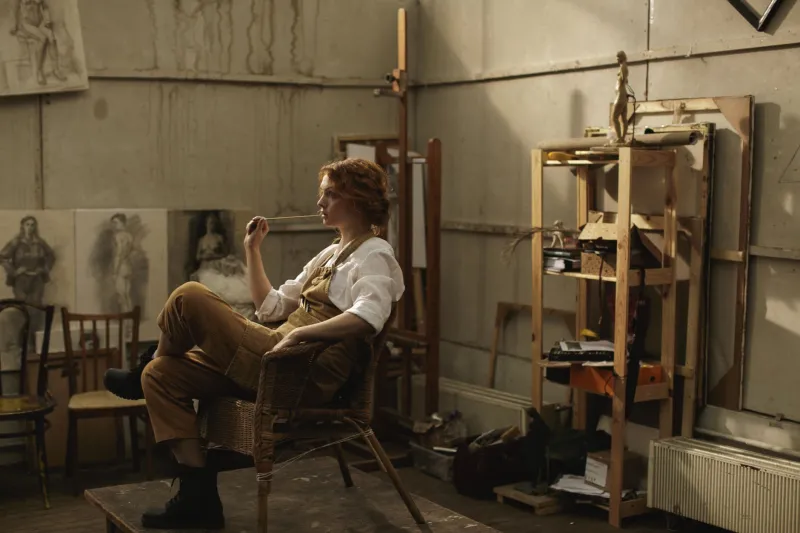
Look at the artists who've built the most durable, devoted audiences over time. A lot of them are notably private about how the sausage gets made. Not because they're secretive or precious — but because they understand that the space between the artist and the audience is where imagination lives. And imagination is doing a lot of heavy lifting for your work.
When your audience doesn't know exactly how you made something, they get to project onto it. They get to wonder. They get to build their own relationship with the work, which makes that relationship personal. The second you hand them a complete map, you've closed off that territory. You've turned a living, breathing piece of work into a case study.
That's not always wrong — case studies have their place. But if your goal is to make work that moves people, that sticks, that becomes part of someone's personal story, you might want to leave some room for the unknown.
The Audience Doesn't Need to See the Kitchen
There's a reason great restaurants don't make you watch every dish get plated. The experience is the experience. The craft that went into it is real, and serious diners respect that craft — but part of what makes the meal feel special is that it arrives complete, considered, finished.
Your creative work is the same way. Some of it benefits from context. Some of it lands harder when your audience understands what you were going through when you made it. But not all of it. Not everything needs a director's commentary. Not every project needs a making-of series.
The question to ask yourself before you post the process content isn't "will this get engagement?" It's "does sharing this make the work better for the people who are going to experience it, or does it just make me feel more seen?"
Those are different motivations. They produce different results.
Protecting the Work Is Also Part of the Work
There's a version of creative discipline that doesn't get talked about enough: the discipline of not sharing. Knowing what to hold back. Understanding that some things are meant to live only in the finished piece — not in the content ecosystem around it.
That's not gatekeeping. It's curation. And curation is a creative act.
The most compelling storytellers understand that what you leave out is just as important as what you put in. The same principle applies to how you talk about your work, how much you reveal about your process, and where you draw the line between inviting your audience in and just... letting them watch.
You're allowed to have a private creative life. You're allowed to make things in the dark and bring them out only when they're ready. You're allowed to say "I'm not going to explain this one" and let the work speak entirely for itself.
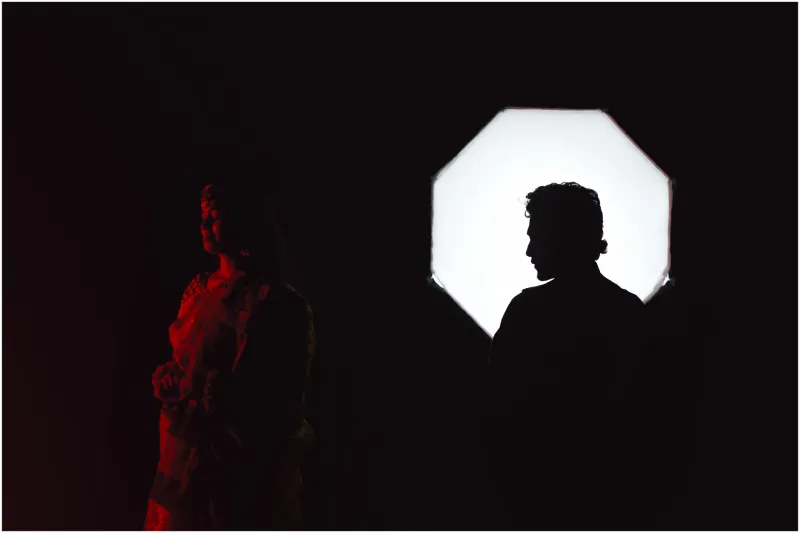
In a content landscape where everyone is racing to show more, be more transparent, and document everything in real time — a little deliberate mystery might be the most interesting thing you can offer.